Cats are wonderfully independent — which is exactly why a pet door suits them so well. But they're also cautious creatures, and a new flap they've never seen can get the classic suspicious cat stare. The good news: with a little patience and the right approach, most cats take to a pet door within a day or two. Here's how to make it easy and stress-free.
Work with your cat's nature, not against it
The golden rule of training a cat: never rush or force them. A cat that gets startled or shoved through a flap will decide the door is scary and avoid it for weeks. Slow, calm, and rewarding wins every time. Think of it as letting your cat discover the door rather than teaching it.
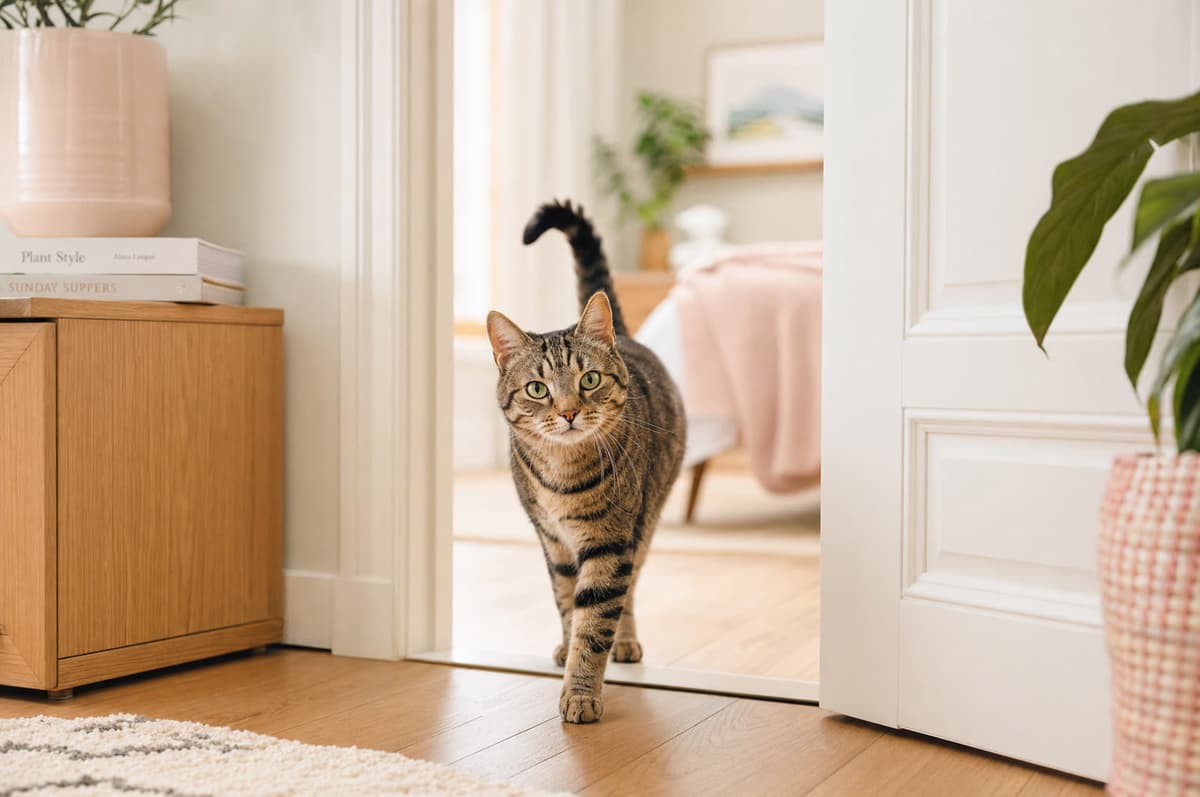
Step 1: Remove the mystery
Cats don't like walking into something they can't see through. So make it obvious there's a clear path:
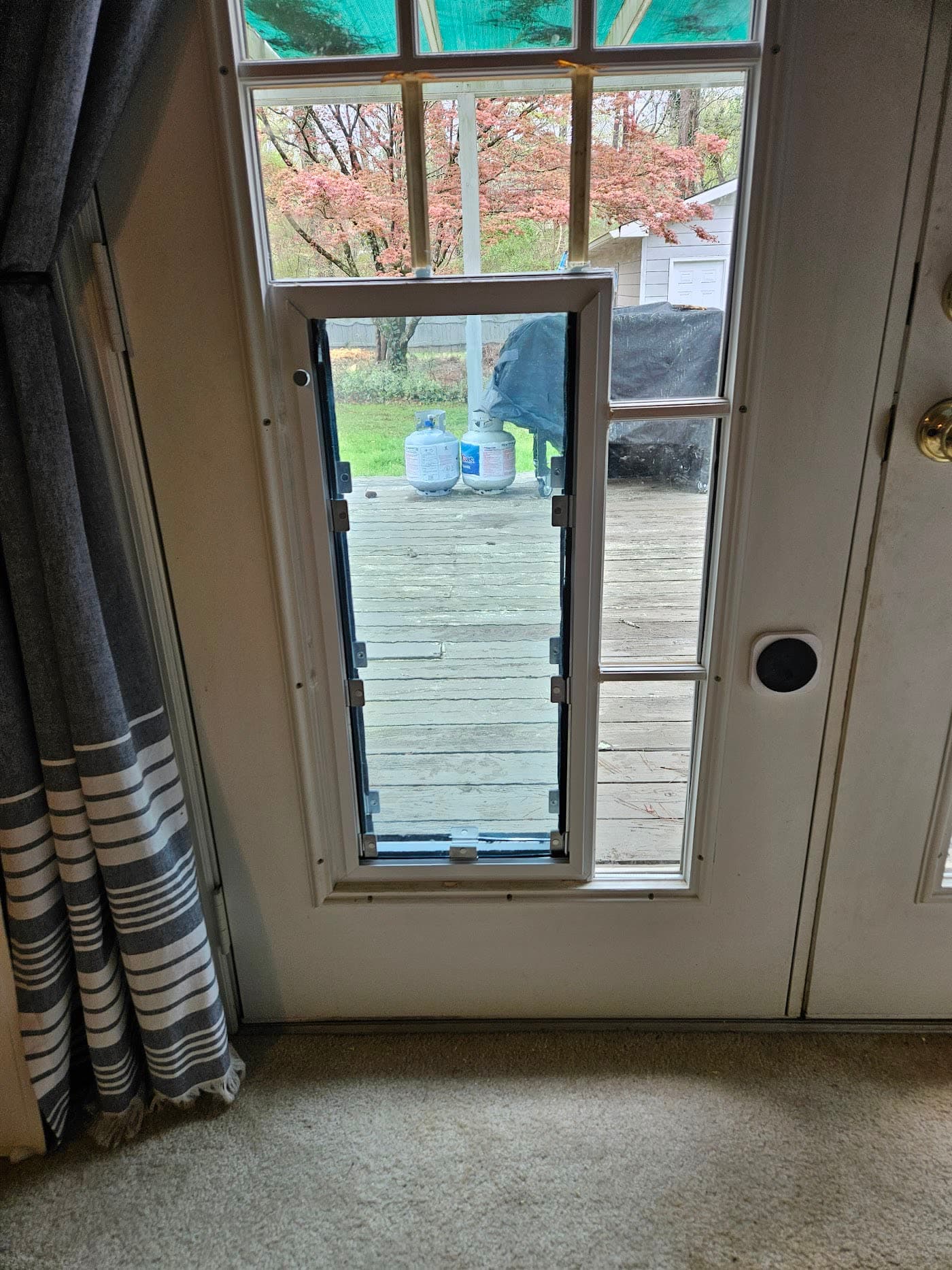
- Prop or tape the flap fully open so your cat can see straight to the other side.
- Let them sniff, investigate, and poke their head through on their own schedule.
Once your cat can see daylight and a familiar space beyond, most of the hesitation fades.
Step 2: Lure, don't push
With the flap held open:
- Go to the other side of the door.
- Call your cat in a calm, happy voice.
- Tempt them through with a favorite treat, a bit of tuna, or a wand toy.
- The instant they step through, reward and praise gently.
Keep it low-key and positive. For food-motivated cats, a little trail of treats leading through the opening works like magic.
Step 3: Lower the flap gradually
Once your cat is stepping through confidently with the flap open, start easing it down:
- First let the flap rest lightly on their back as they pass.
- Lower it a bit more each session.
- Keep rewarding every successful trip.
Doing this slowly means the gentle push of the flap never startles them — it just becomes a normal part of the routine.
Tips that make it easier
- Short, calm sessions. A few minutes here and there beats one long stressful one.
- Time it around meals. A hungry cat heading toward the food bowl on the other side is highly motivated.
- Two cats? They often learn from watching each other — once one figures it out, the other usually follows.
- Patience with shy cats. Some just need more days with the flap propped open. Almost every cat gets there.
Why the right door matters
Training is far easier when the door fits your cat properly. A flap that's too small, too stiff, or set too high off the floor makes every trip uncomfortable — and cats simply won't use something that feels awkward. That's why we size and place each door so carefully. If you're curious what "the right fit" means for a cat, see our guide to the best pet doors for cats.
Training a dog instead (or as well)? The approach is similar — here's how to train your dog to use a pet door.
We're here after the install
When we install your cat's door, we're always happy to share tips tailored to your specific cat, and to answer questions as they settle in. For more helpful guides, visit our resources page.
Ready to give your cat their own doorway to a sunny porch or safe yard? Get a free quote — we serve families across Georgia, and every installation is backed by a lifetime frame warranty.