After installing pet doors in homes all across Georgia, we've seen just about every way one can go sideways — and here's the reassuring part: nearly every pet door problem traces back to a handful of avoidable mistakes. Get these right and a pet door is a joy for years. Get them wrong and you're calling someone (often us) to fix it. Here are the five we see most, and how a professional install avoids each one.
Mistake #1: Wrong size
This is the big one. A door sized wrong for the pet is a daily frustration:
- Too small, and your pet has to duck, twist, or squeeze — so they avoid it, and you've wasted the whole install.
- Too large, and you give up energy efficiency and security for no reason.
Pros measure the pet properly — width, height, and step-over — and match the door precisely. (Here's how to measure your pet so you know what to look for.)
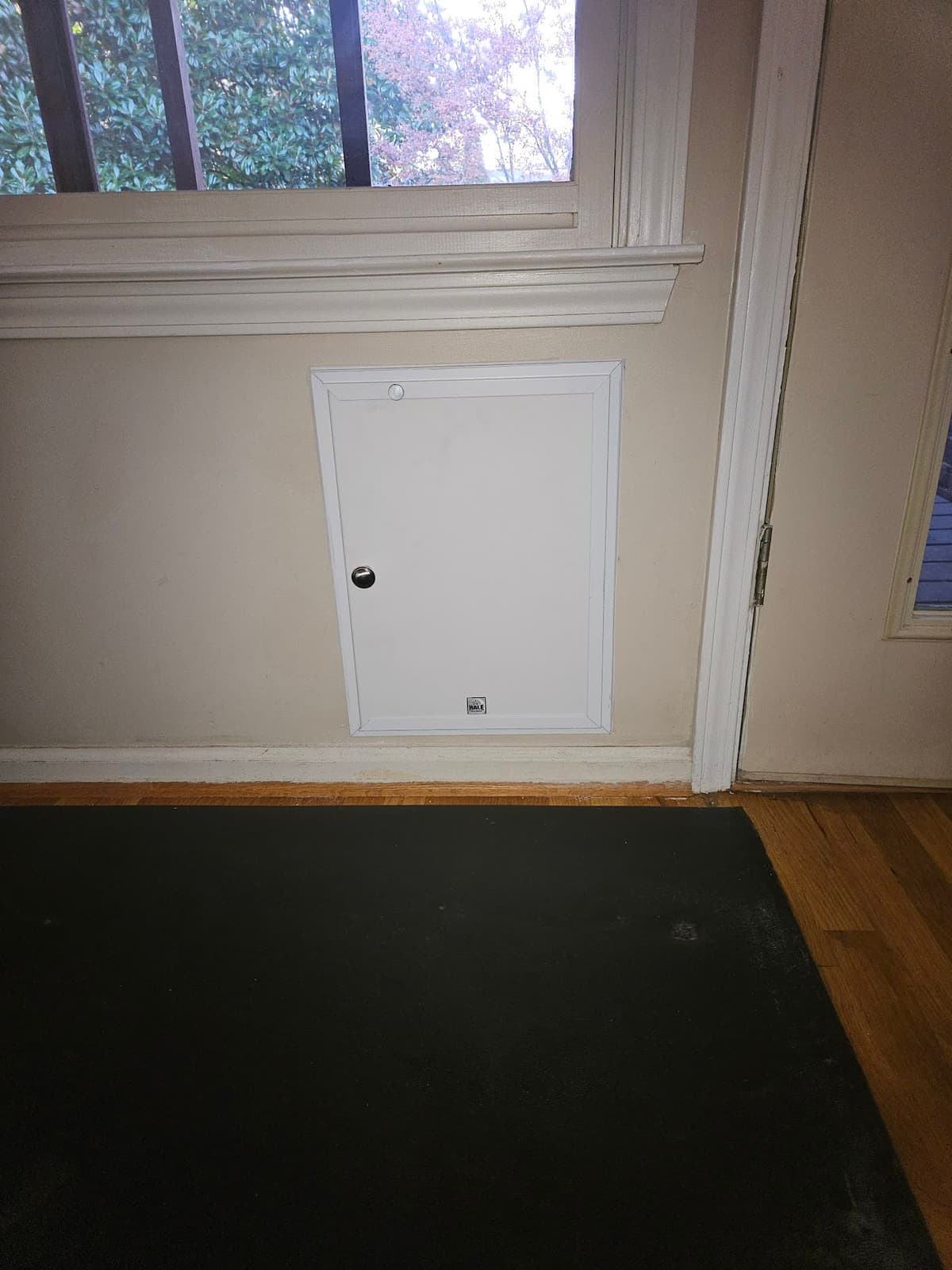
Mistake #2: A poor seal
A pet door is only as good as its seal, and a sloppy one is the number-one cause of drafts, higher energy bills, and water intrusion. The seal has to be tight both at the flap and all the way around the frame where it meets the door or wall.
This is fiddly work, and it's exactly where DIY kits fall short. A professional install seals the whole assembly so there's no air or water path — the same standard that keeps a pet door from making your home cold.
Mistake #3: Bad placement
Where the door goes matters as much as the door itself. Common placement errors:
- Putting it somewhere your pet won't naturally use, so they ignore it.
- Placing it within reach of a door handle or deadbolt — a security risk.
- Choosing a spot that's hard to seal or exposed to driving rain.
Pros think through traffic flow, security, and weather before ever cutting.
Mistake #4: Attempting glass or walls DIY
Two situations are simply not DIY territory:
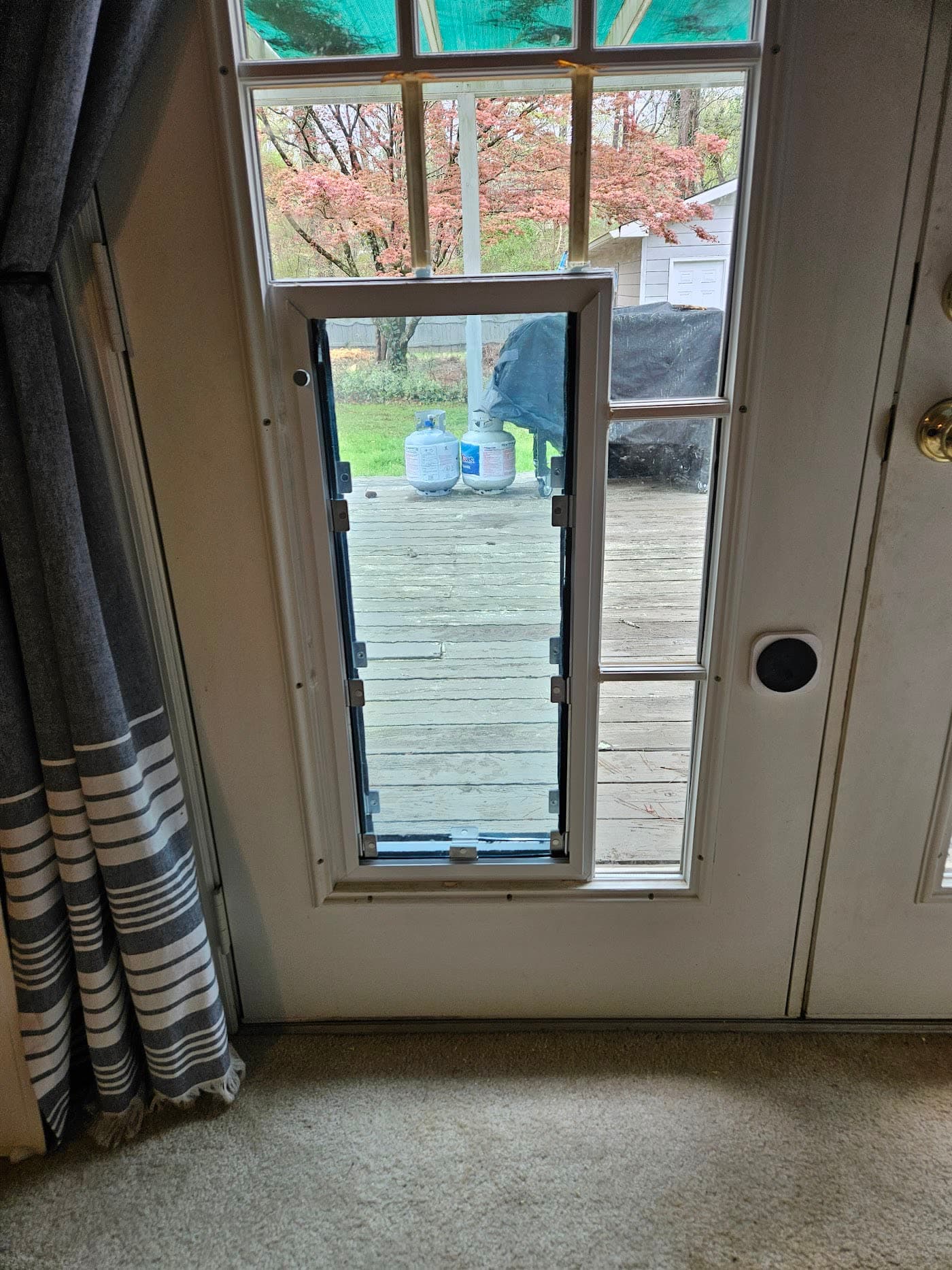
- Glass doors use tempered glass that shatters if you try to cut it — it requires a replacement panel.
- Wall installs (especially brick, stucco, or siding) need proper framing, checks for wiring and plumbing, and weatherproofing both sides.
Mistakes here aren't cosmetic — they're structural or water problems. We cover the full trade-offs in DIY vs. professional pet door installation.
Mistake #5: Skimping on the door itself
A bargain flap saves money up front and costs you later — it seals poorly, wears out fast, and often has no real warranty. A premium, American-made door with an insulated flap, sturdy frame, and locking panel is built to last and backed by a lifetime frame warranty. For a purchase your pet uses many times a day, quality pays off.
The common thread
Notice the pattern? Every one of these mistakes is about doing it right the first time — proper sizing, a tight seal, smart placement, the right method for your surface, and a quality door. That's exactly what a professional install delivers, and why it's worth it for anything beyond the simplest job.
Want it done right the first time, with none of these headaches? Get a free quote and we'll handle every detail. We serve families across Georgia, and every installation is backed by a lifetime frame warranty. You can also see the finish quality in our gallery.