There's a hardware-store pet door kit with your name on it, and a voice in your head saying "how hard can it be?" It's a fair question — and for the right door in the right spot, a handy homeowner can do it. But there's more to a pet door than cutting a hole, and the difference between DIY and professional shows up in exactly the places that cost you later. Here's the honest breakdown.
What DIY actually saves
Let's be straight: the appeal of DIY is the labor cost. You buy the kit, spend a Saturday on it, and skip the install fee. For a simple flap into a hollow, solid interior door, a careful DIYer with the right tools can get a reasonable result. If that's your exact situation and you're handy, it's a legitimate option.
The trouble is that most pet doors aren't that simple.
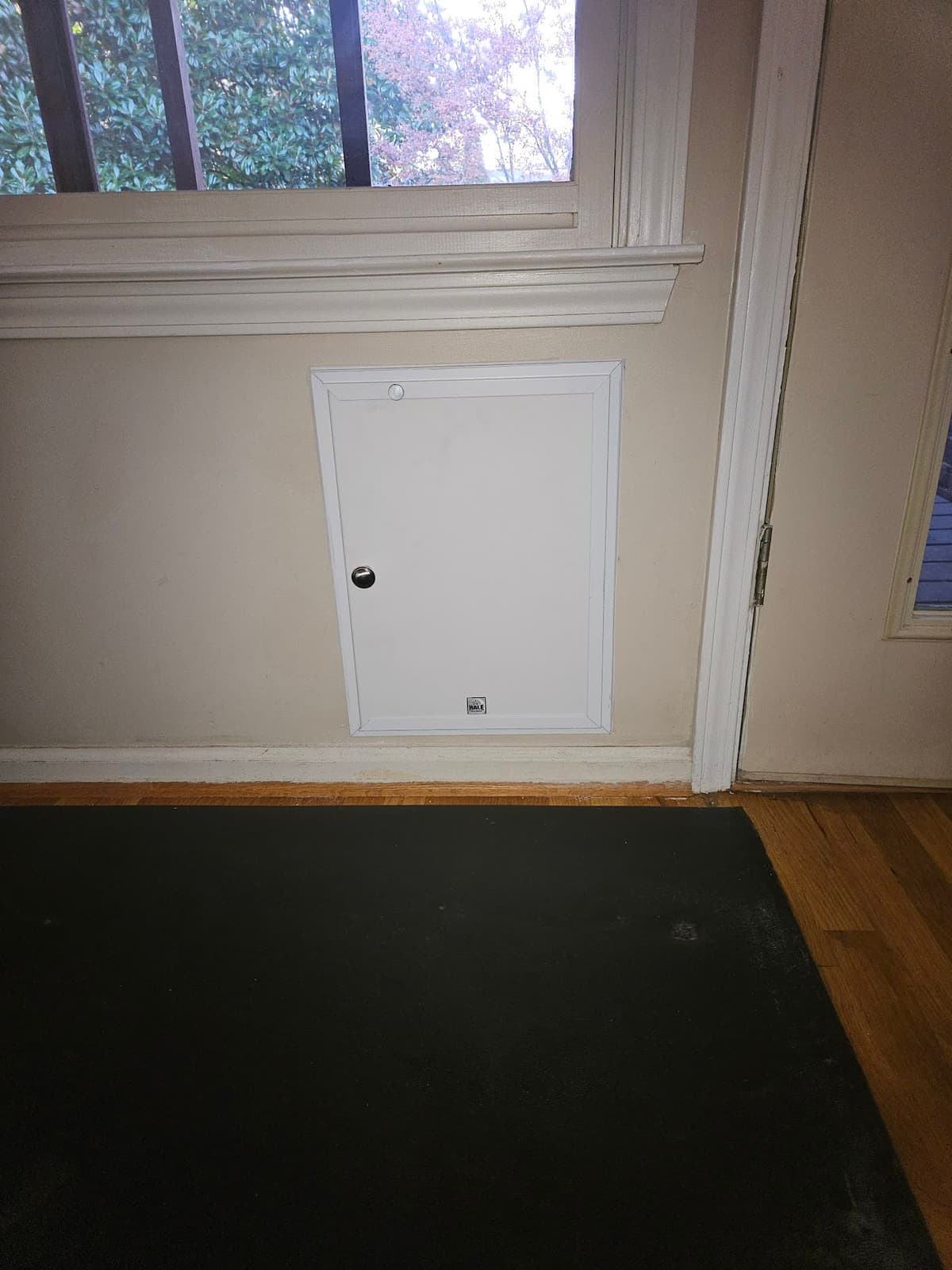
Where DIY gets risky
Here's what the kit instructions gloss over — and where we get the most "can you fix this?" calls:
Sealing
A pet door is only as good as its seal. Get it slightly off and you've got drafts, higher energy bills, and water intrusion. Sealing an opening tightly to a door or wall is fiddly, and it's the number-one thing DIY jobs get wrong. (It's also why a bad install can hurt your home's value.)
Glass doors
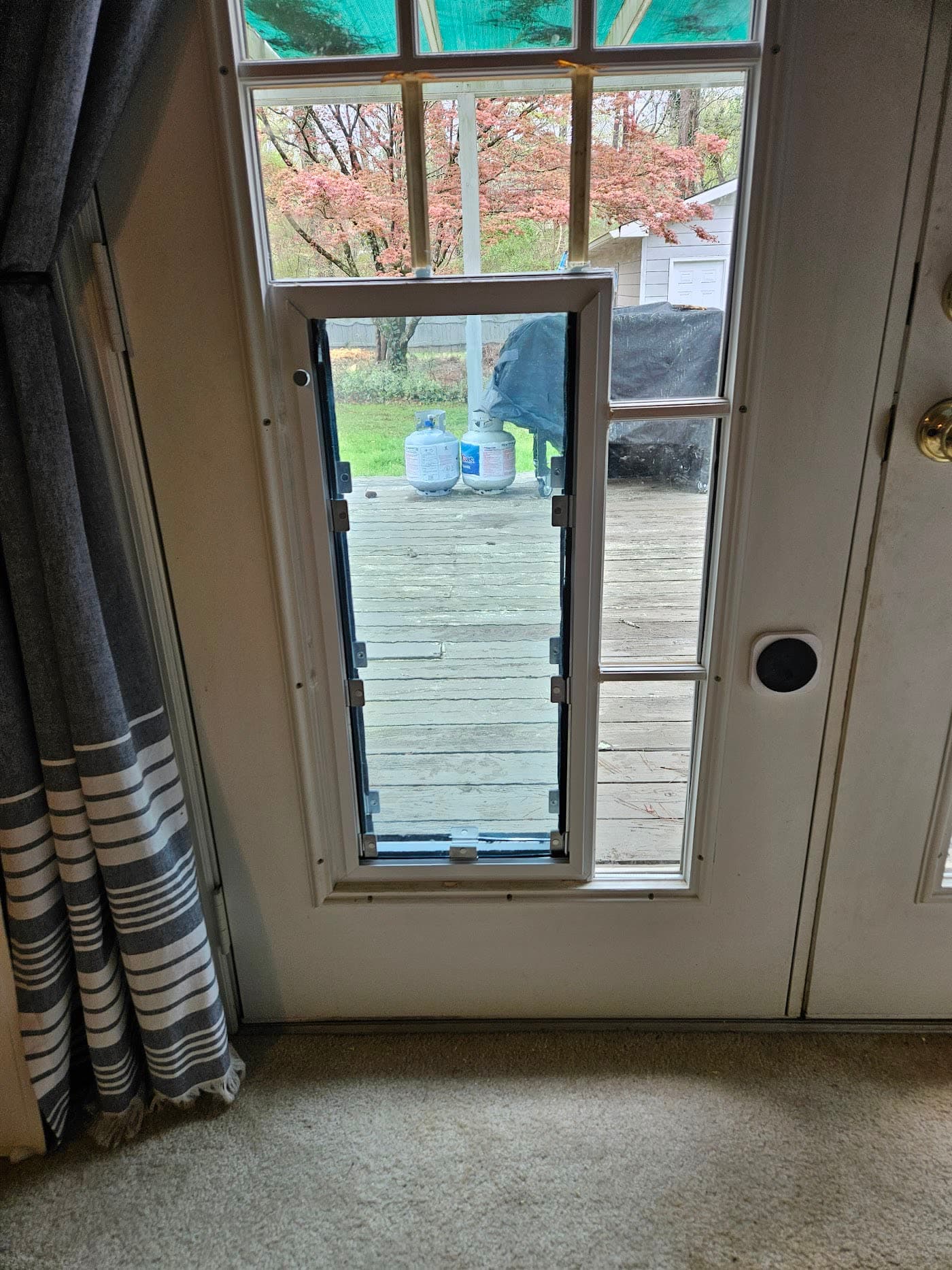
This one isn't a "risk" — it's a hard stop. Sliding-glass and French doors use tempered glass that shatters if you try to cut it. There's no DIY version of this; it requires a replacement panel. Please don't learn this the expensive way.
Wall installs
Cutting through a wall — especially brick, stucco, or siding — means framing for strength, checking for wiring and plumbing, weatherproofing, and finishing both sides. A mistake here isn't a cosmetic flaw; it's a structural or water problem. This is firmly pro territory.
Sizing and placement
Get the size or step-over height wrong and your pet won't use the door — so you've done all that work for nothing. Pros measure precisely for exactly this reason.
What a professional install includes
When you hire it out, you're not just paying someone to cut a hole. You're paying for:
- A precise, correctly sized opening in the right spot.
- A weather-tight, energy-efficient seal — no drafts, no leaks.
- Clean finishing inside and out, so it looks built-in.
- The right premium, American-made door for your situation.
- A lifetime frame warranty and someone who stands behind the work.
See everything that covers on our services page.
The honest recommendation
Here's the straight talk:
- Simple flap, solid interior door, and you're handy? DIY can work.
- Anything involving glass, a wall, an exterior door's weather seal, or a pet you want to actually use it? Hire a pro. The install cost is small next to the price of fixing a leak, a draft, cracked glass, or a door your pet avoids.
Curious what a professional install runs? We break it down in how much does pet door installation cost in Georgia? — and the free quote is always exact and no-pressure.
Not sure which camp you're in? Tell us your door and your pet, and we'll give you an honest answer — even if that answer is "you could do this one yourself." Get a free quote. We serve families across Georgia, and every installation is backed by a lifetime frame warranty.